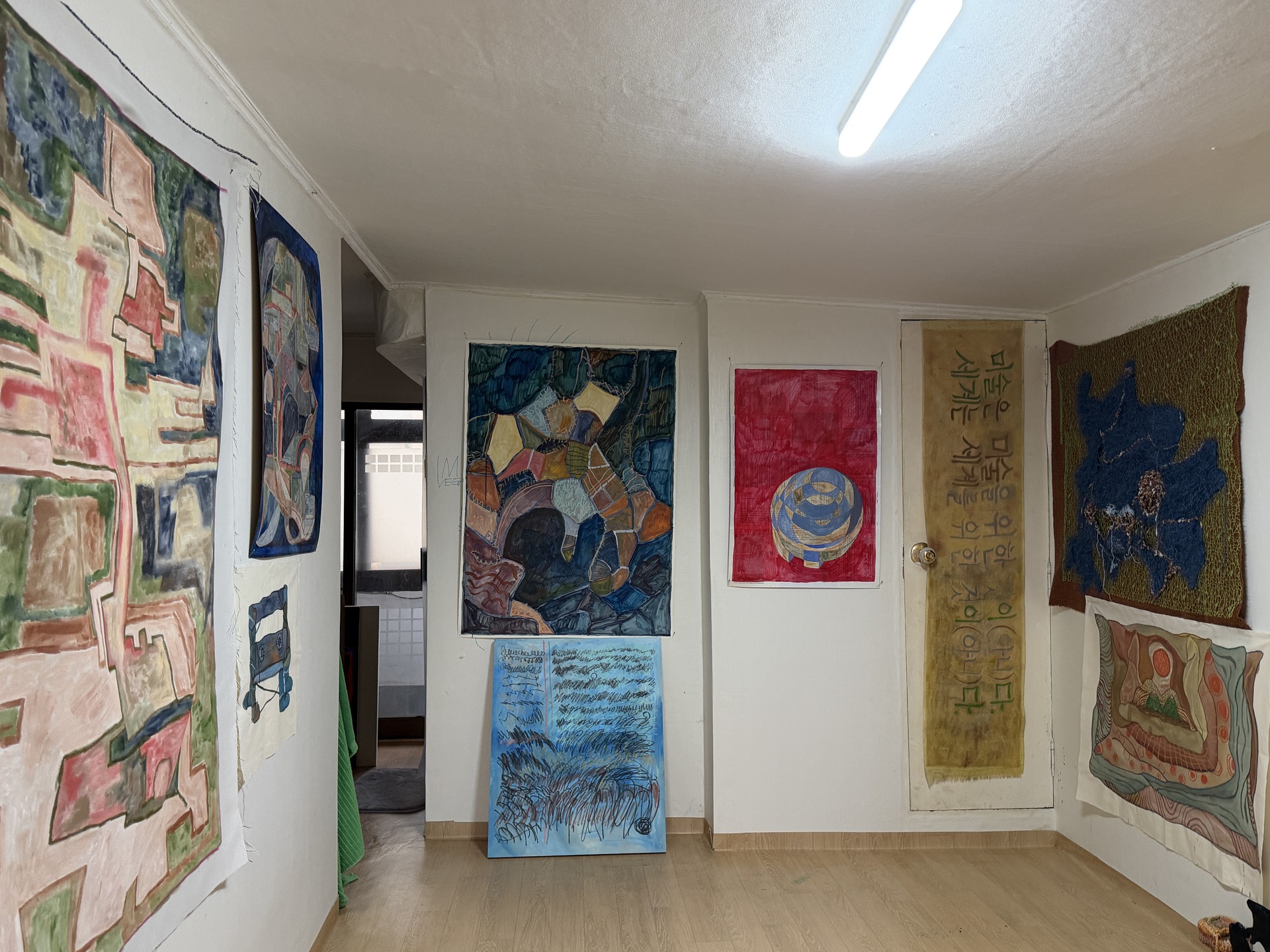
Last June, at the rather excited urging of critic Ahn Junhyung, I visited Kim Mobin’s studio for the first time. I regretted being the only one to see the performance she gave that day. About to leave her home, she had arranged a quiet exhibition inside the room, and I felt a second regret at having to see this alone, too. So I asked her: “Let’s open the door for fifteen days.” That is how Kim Mobin’s rooftop room became an exhibition space.
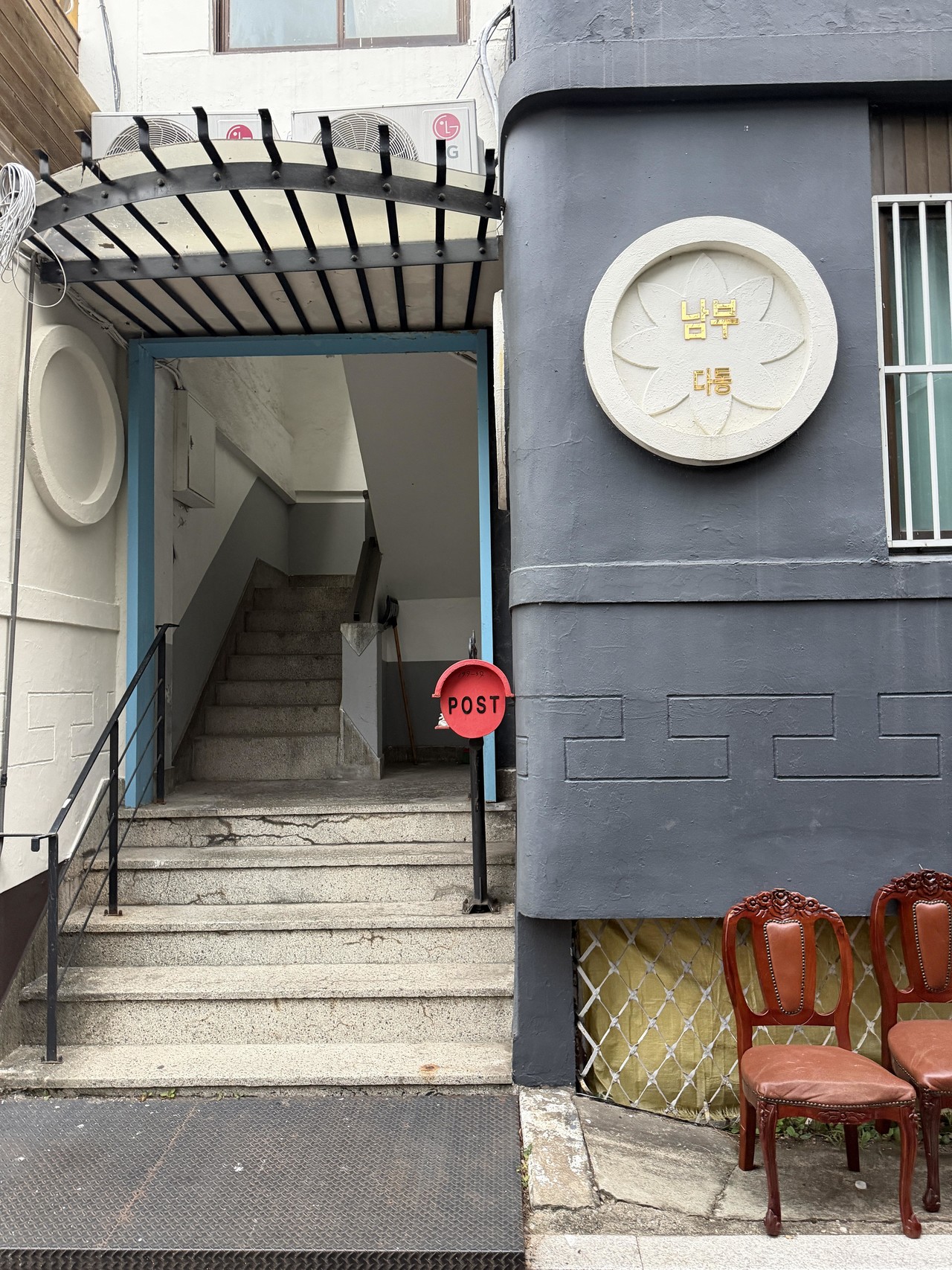
The exhibition takes place in the rooftop room on the 5th floor of Building Da, Nambu Apartments, 13-22 Ichon-ro 22-gil, Yongsan-gu, Seoul.
Past her neurotic gestures, I kept sensing in her a profound benevolence. What is this? Tan Sitong (1865–1898), the late-Qing reformist thinker, inverted the relation between dao (the Way) and qi (concrete things). He held that things are the substance and the Way their function, overturning the belief that things exist to serve the Way. In 1896, exactly a hundred years before Kim Mobin was born, Tan met the English translator and missionary educator John Fryer in Shanghai. He then drew the concept of ether, encountered through Western science books, into his own thought. In Renxue (An Exposition of Benevolence), he saw ether as the substance of ren (benevolence), and ren as ether’s function and manifestation. That same year, Fryer’s translation Zhixin mianbing fa introduced the term xinli, “mind-power,” to China, and Tan’s account of ether and ren grew into a theory of mind-power. Why did I connect it to Kim Mobin’s records of the Akasha Kingdom?
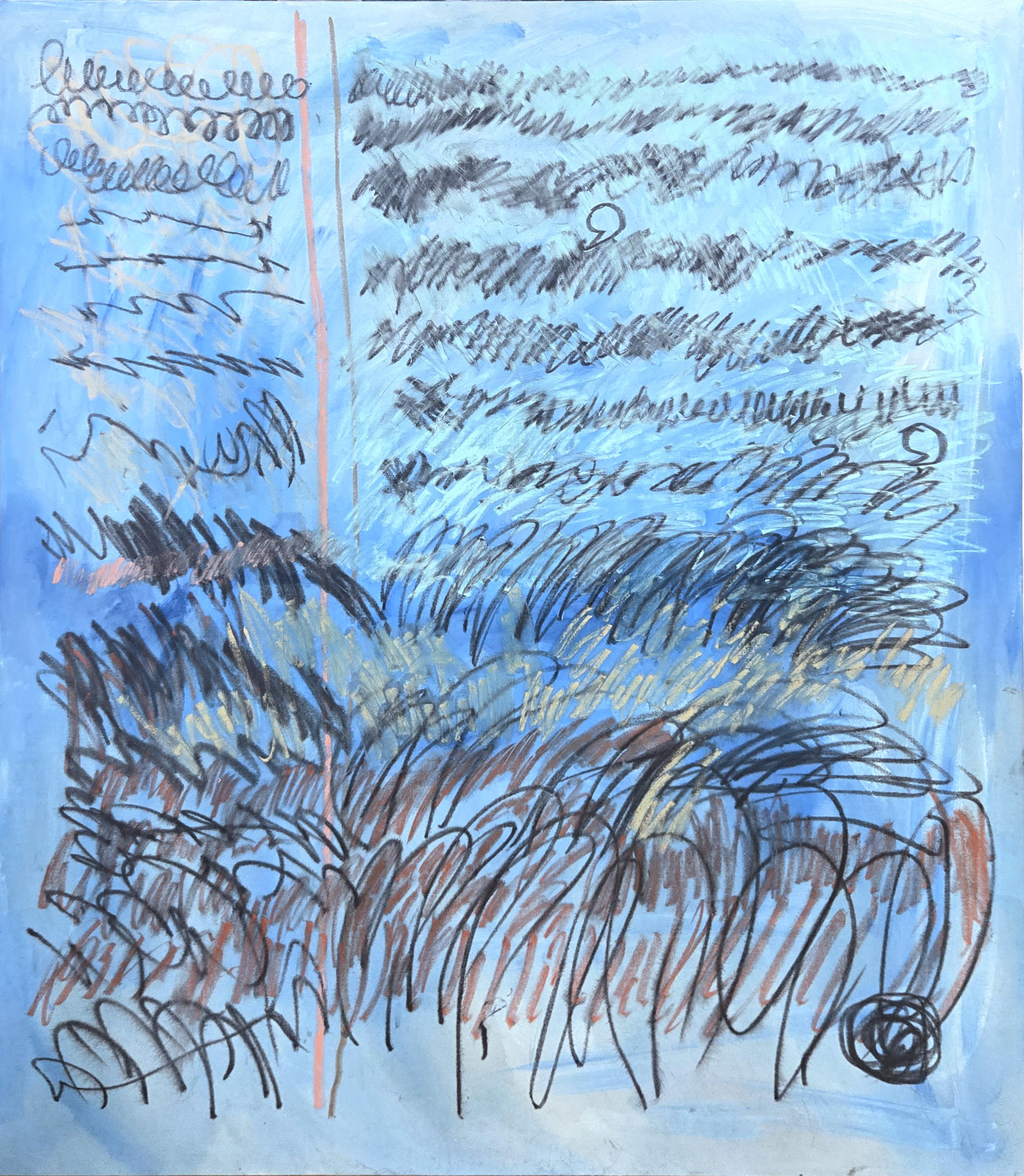
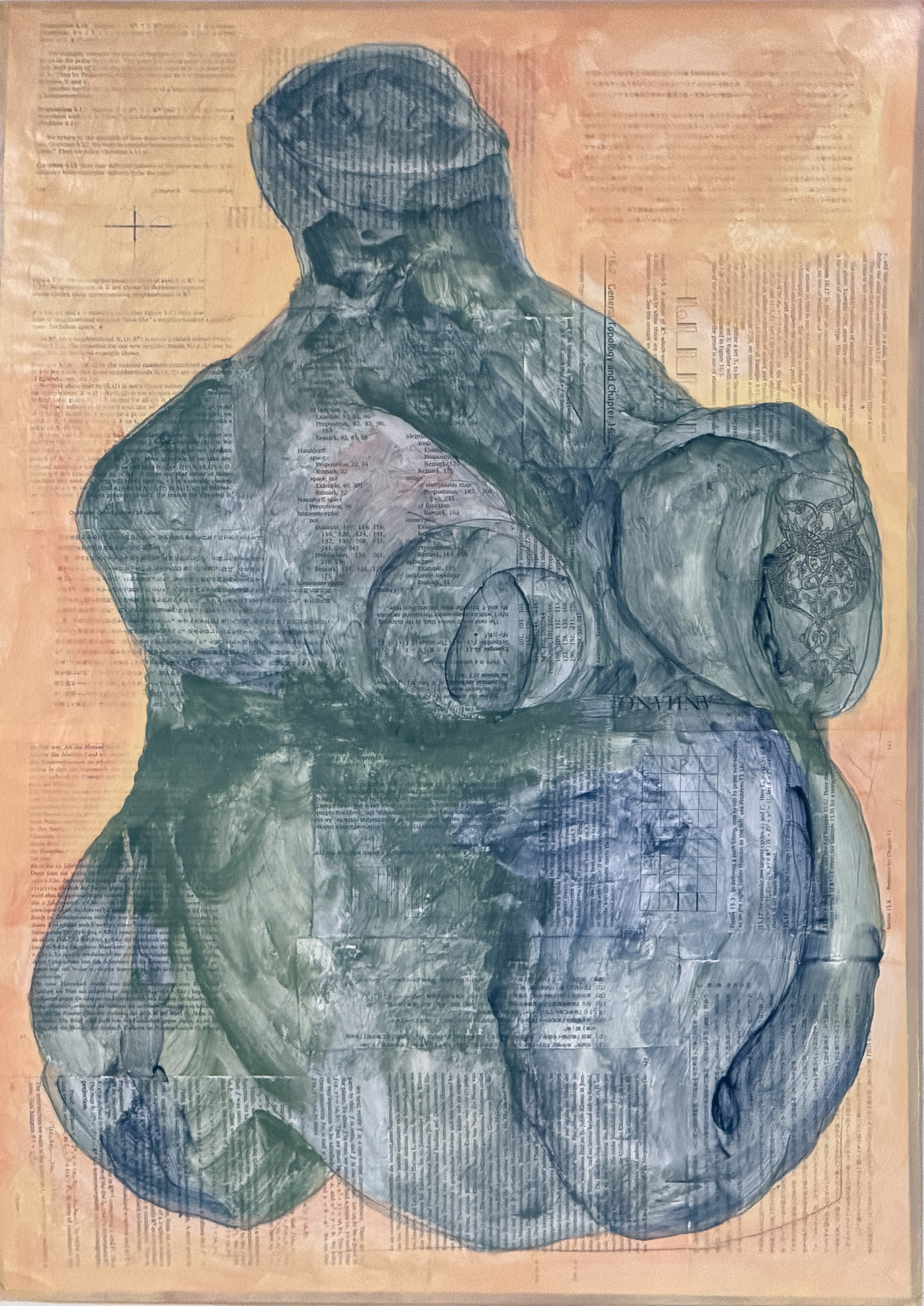
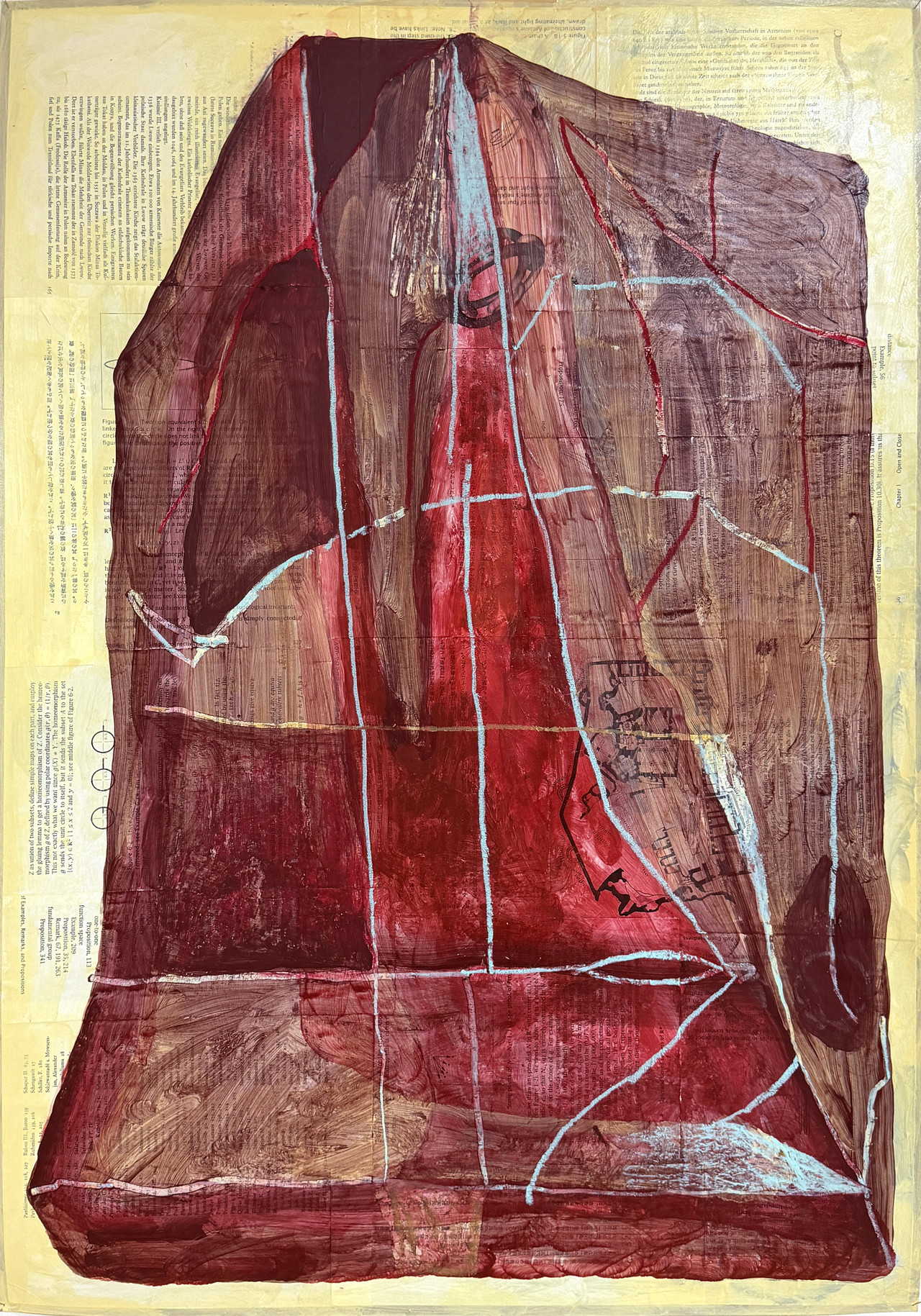
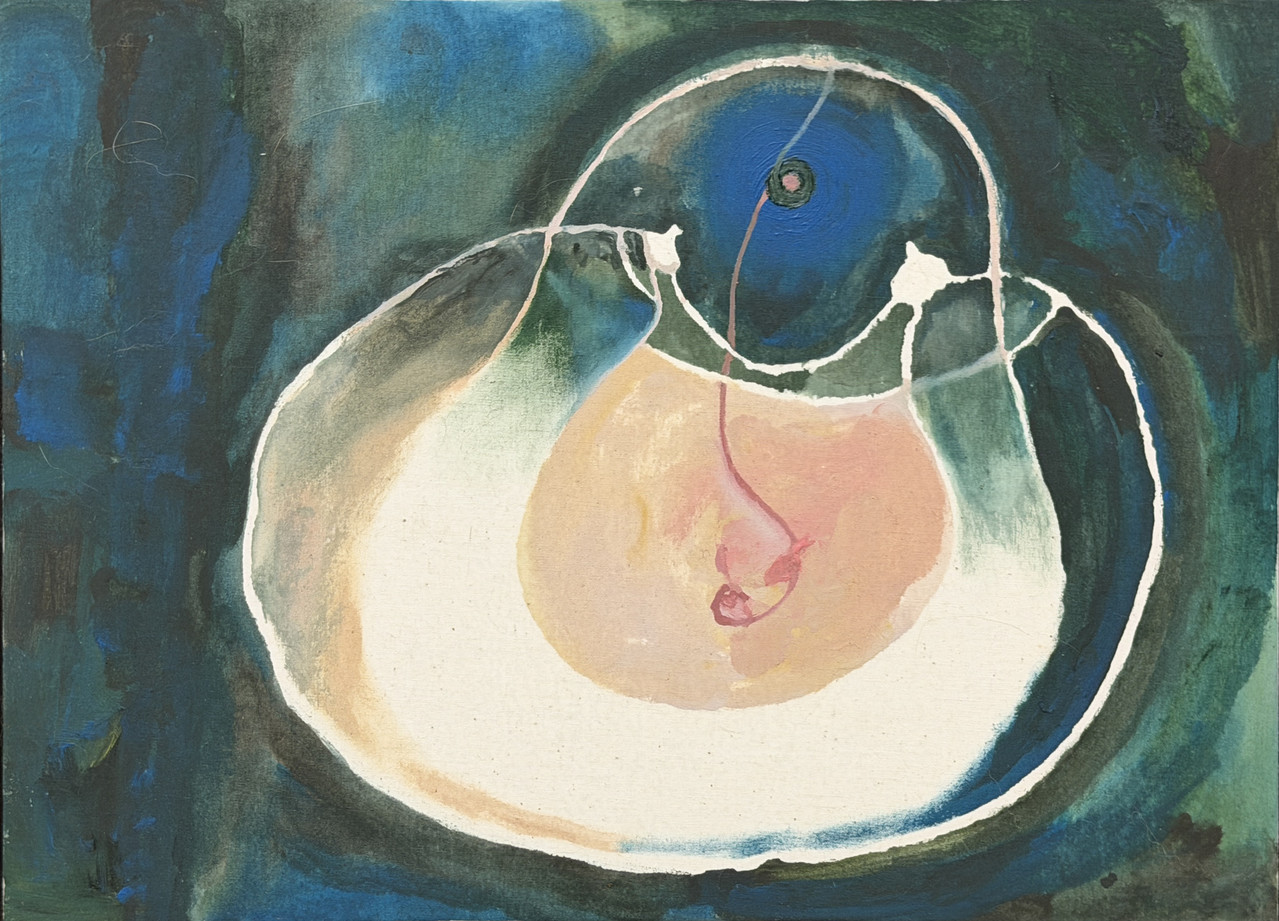
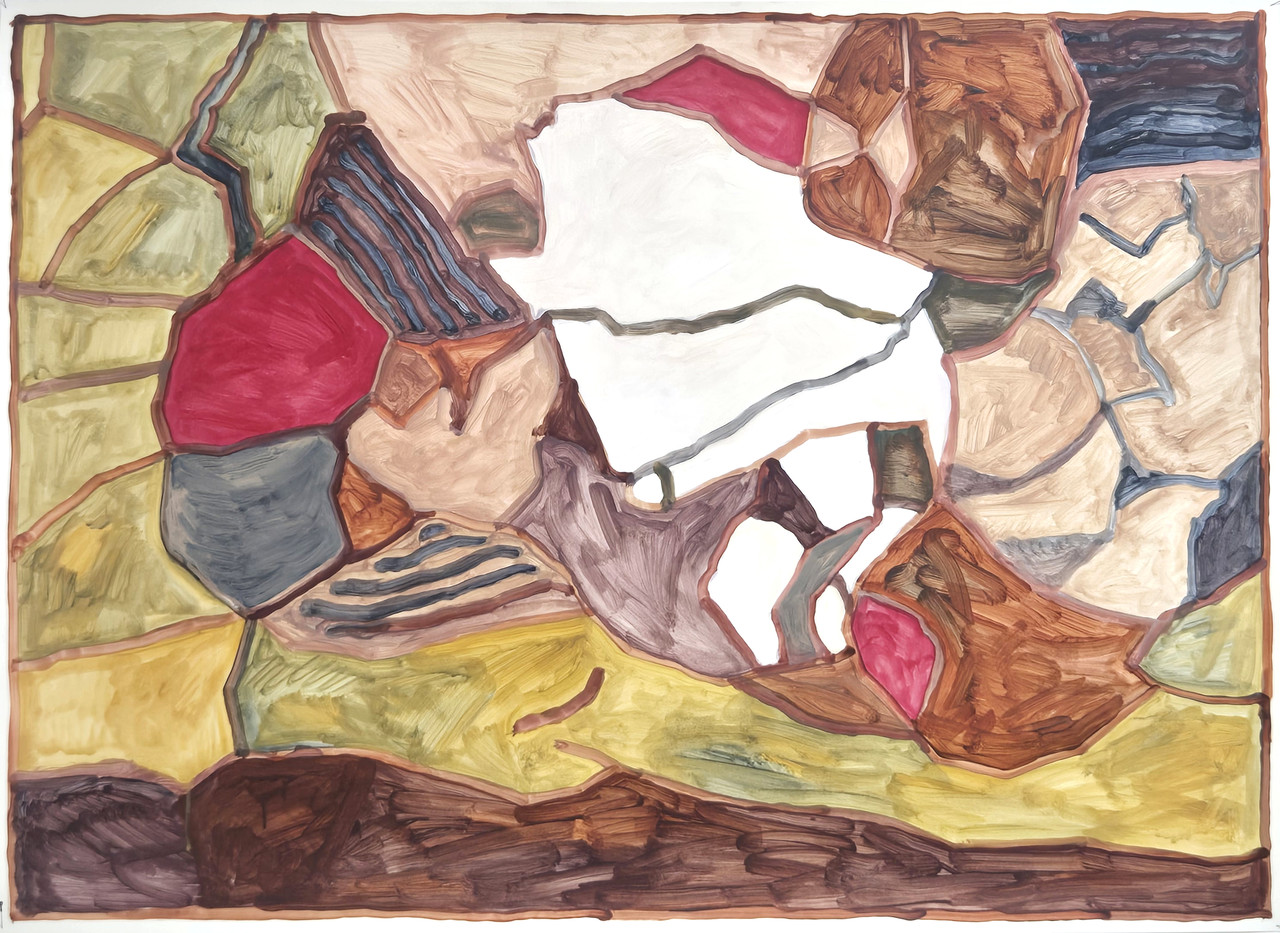
Her anxiety and neurotic states led her to imagine her private space as “Akasha,” and within it Hybrid Venus was born. This and several other works use torn book pages as their support: an English book on topology, a Japanese book on Chinese shamanism, and a German history of three thousand years of the Armenian kingdom. In Indian philosophy, ākāśa is space, one of the five elements of the world alongside earth, water, fire, and wind. The Nyaya-Vaisheshika school regarded it as an eternal substance free of arising and perishing, and in the West it is often translated as ether. Late-nineteenth-century Theosophy went further, imagining “Akashic records” in which everything in the universe is inscribed. Set up in the rooftop room of an old apartment building that has stood for a very long time, a place I fell for, Kim Mobin’s The Archive of the Akasha Kingdom holds the mysteries of life and the cosmos, ordered in the forms of knowledge and archaeology. She has left in it works such as Running Dog and The Veil Called Time and Space, completed from images that surface as she writes.
Odradek also appears in the archive, the creature from Kafka’s story “The Cares of a Family Man.” It looks like a flat, star-shaped spool tangled with old bits of thread, a being whose nature no one can pin down. Kim Mobin made it from knitting and wire. In Kafka’s story, it is not Odradek who worries but the family man, troubled by the thought that it may outlive him. Beside Odradek stands Magician, a black sculpture of boxes and plaster bandages. The pairing recalled Norbert Wiener’s God & Golem, Inc.: today’s debates over machines that learn and reproduce themselves revive old stories once condemned as magic.
Alongside these mysterious records, she also left digital objects. The Akasha Kingdom is a space of emptiness without arising or perishing, so its records pass into digital objects preserved without loss. Titles such as Control Unit, Target Point, Storage Unit: Half-Unraveled Fabric, and Execution Unit: Enlarged Analog Chip resemble the basic architecture of a computer. They also evoke Wiener’s cybernetic machine, which corrects itself through feedback toward a goal.
Of Rag Hand, she said, “pieces gathered and became a hand.” Things begin new and become old, moving from creation to decay. This hand, made of old pieces gathered into something new, “turned it backwards.” When I asked whether it meant recovery, she said it was closer to creation. As for why she draws these things, she said she doesn’t really know. She does not draw knowing why; she is closer to watching things being drawn. Things exist regardless of human cognition, yet their meaning arises only in relation to her, and she intervenes no further than sensing and recording that moment. Portrait: Presumed to Be a Great Figure of Akasha is, in this sense, someone’s portrait unearthed by some intruder.
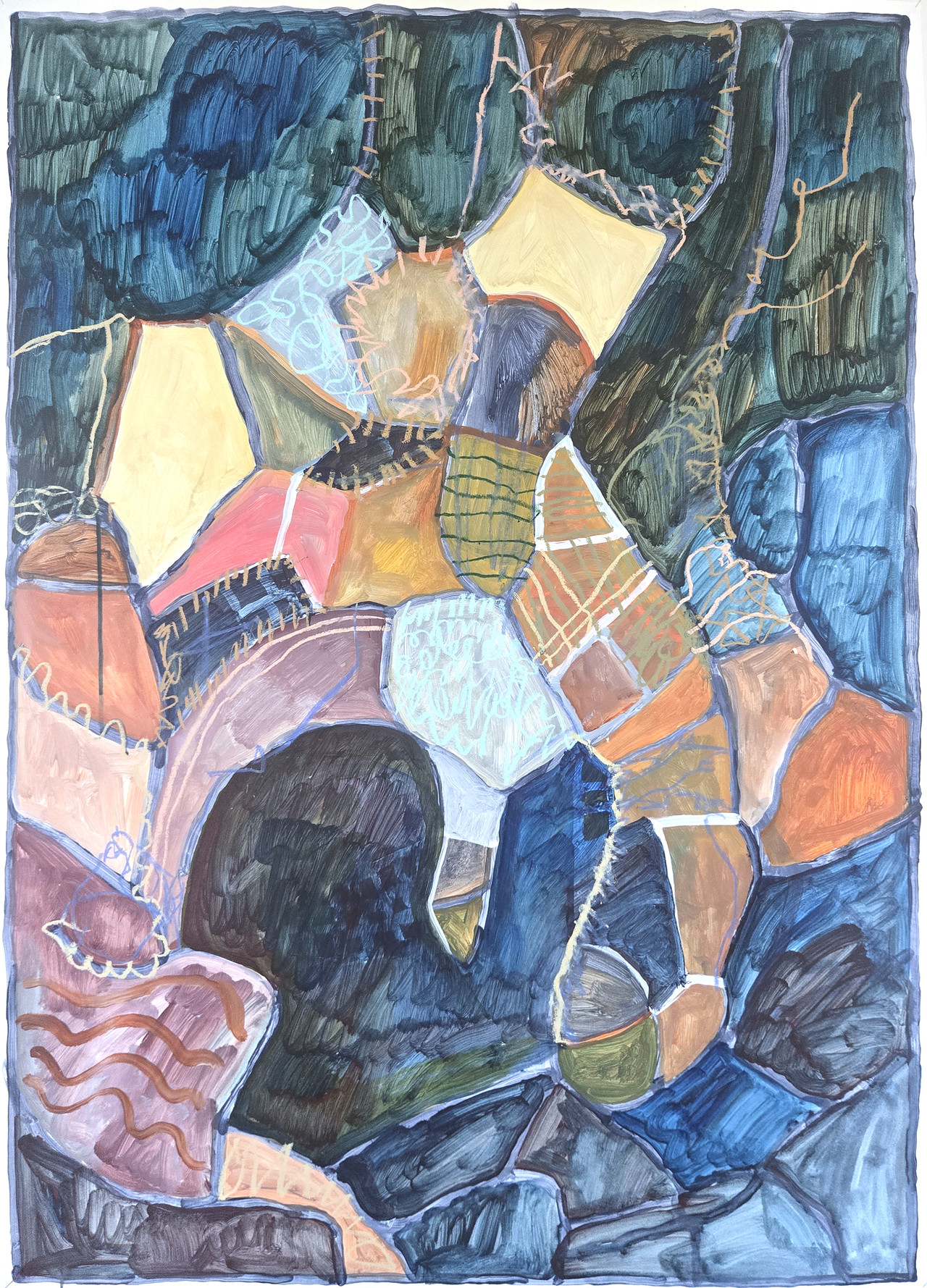
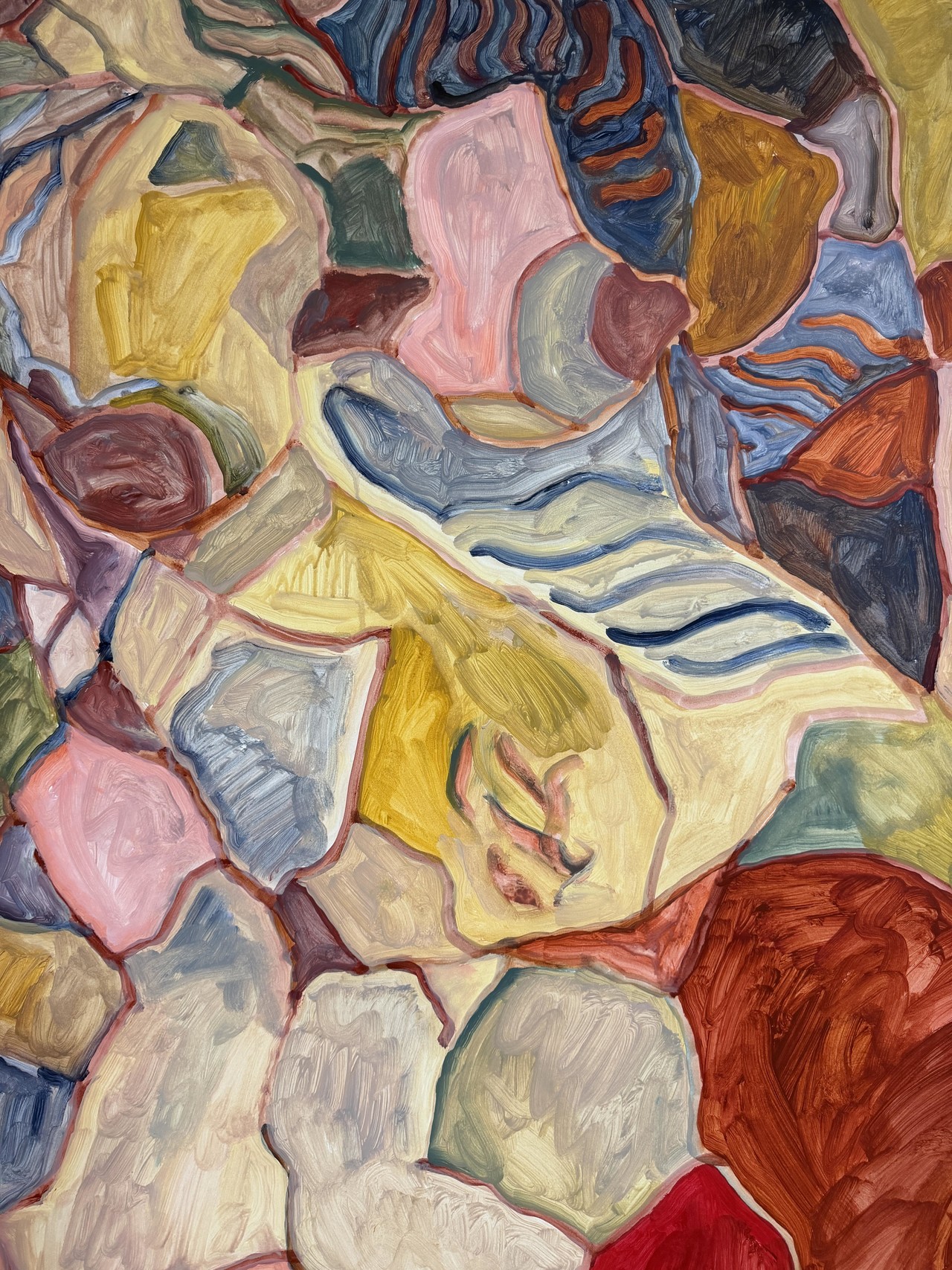
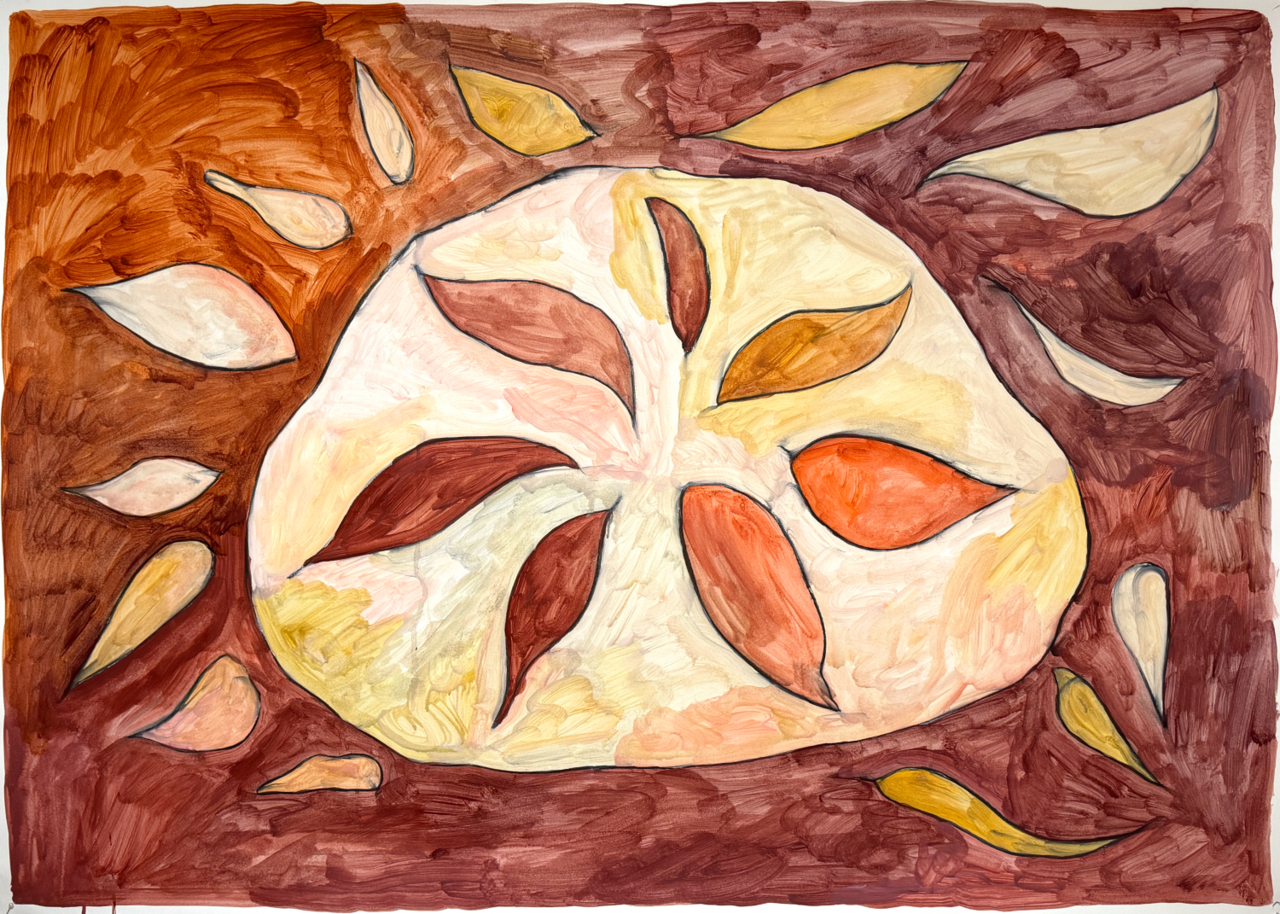
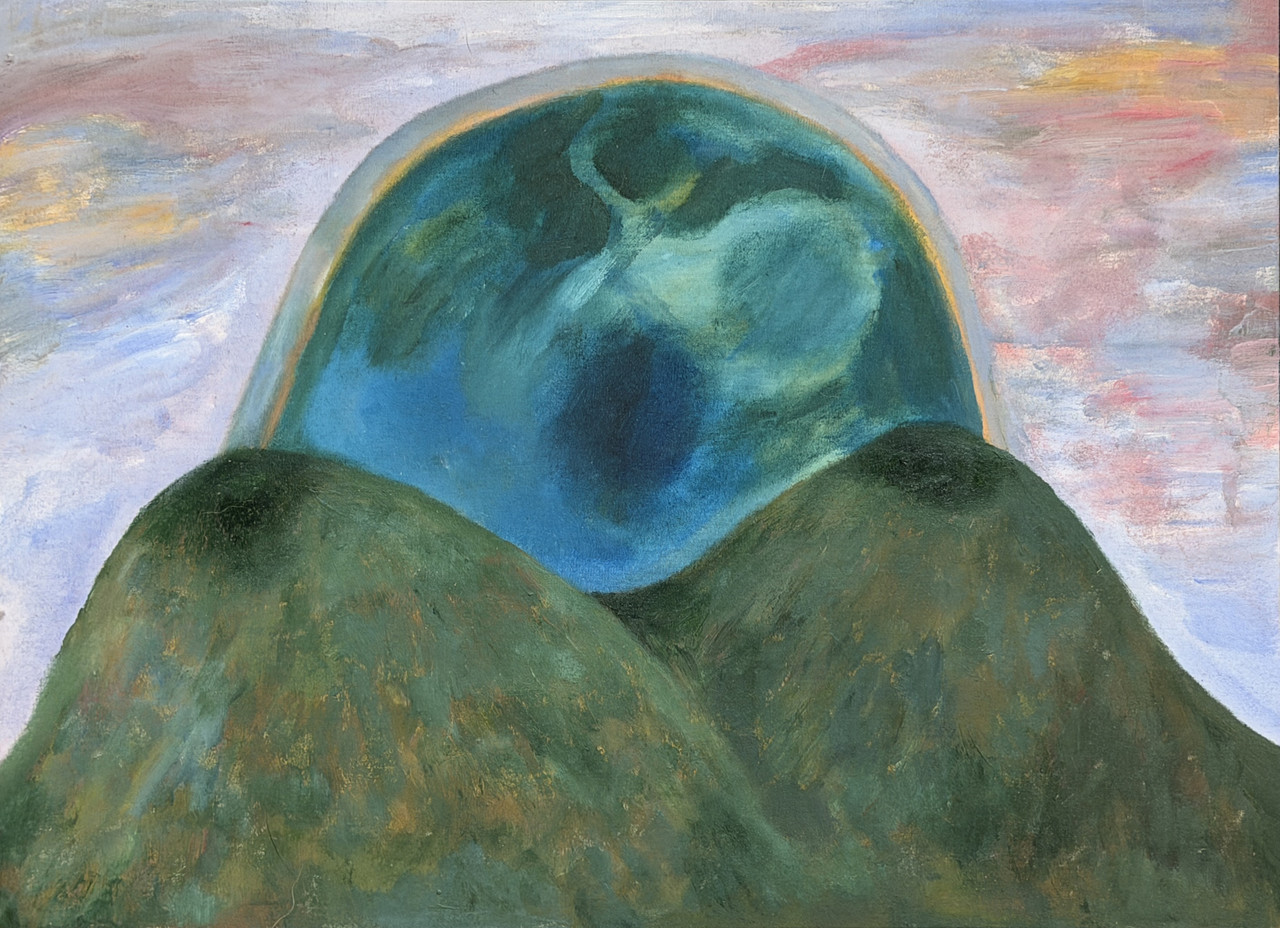
Mountain Sisters, The Legend of Mountain Sisters, and Void Baby connect to two lines of thought. One is the emptiness at the origin of life described in Sex, Life, Cosmos. The other is Mark Fisher’s reading of Margaret Atwood’s Surfacing in The Weird and the Eerie. Red Stone calls up certain relations, for, as Quentin Meillassoux argues, the sensible exists only as a relation. She spoke of her paintings almost as their medium. Set this beside Meillassoux’s question, what can we know of a world that exists without us, and a conviction follows: her records, conveyed through drawing, need no further explanation.
In the I Ching, the hexagram Zhun describes the moment when all things first arise amid the chaos of thunder and rain. When lightning strikes a reasonless world of bare things, life is born by chance, and reasons appear. In the world that follows, we are confined within the borders of consciousness, language and emotion, and understand the world through our feelings. Even a critical stance cannot easily break through these borders. Yet everything is in fact perceived through relations. We need psychological wisdom: to understand this mechanically, with emotion set aside. To stand as equals beside animals and things, and to feel the cosmos. Let’s take a walk. I’ve been looking at words too long.